by Rossana Musto Gonser | Nov 10, 2026 | Uncategorized
Home improvements can make a property more comfortable, functional, and appealing to potential buyers. However, not every renovation delivers the same results. Some projects address essential maintenance, while others improve appearance, energy efficiency, or everyday convenience.
Whether you plan to stay in your home for years or prepare it for a future sale, choosing the right improvements can make a meaningful difference.
Here are several home improvement projects worth considering.
Upgrade the Kitchen
The kitchen is one of the most frequently used spaces in a home, making it an important area to maintain and improve.
You do not always need a complete renovation to refresh its appearance. Consider updating cabinet hardware, replacing outdated lighting, installing a modern backsplash, or refreshing countertops.
If your kitchen layout works well, smaller improvements may provide a more practical solution than an expensive redesign.
Focus on durable materials, functional storage, and finishes that complement the rest of the home.
Improve Bathroom Functionality
Bathrooms can benefit from upgrades that improve both appearance and everyday use.
Consider replacing outdated fixtures, improving lighting, updating ventilation, or refreshing worn flooring and tile.
Addressing plumbing issues and preventing moisture damage should also be priorities.
A clean, well-maintained bathroom can create a positive impression without requiring a complete renovation.
Enhance Curb Appeal
First impressions matter when someone visits or views a property online.
Simple exterior improvements can make your home look more inviting. Consider:
-
Maintaining the lawn and landscaping.
-
Trimming overgrown plants and trees.
-
Repainting or refreshing the front door.
-
Cleaning exterior surfaces and walkways.
-
Updating outdoor lighting.
-
Repairing visible exterior damage.
These projects can improve the property’s overall presentation and help create a welcoming entrance.
Improve Energy Efficiency
Energy-efficient improvements can help reduce utility consumption and improve indoor comfort.
Depending on the home’s condition, consider sealing air leaks, adding insulation, installing energy-efficient lighting, or upgrading older heating and cooling equipment.
Before replacing major systems, evaluate their current condition, operating costs, and expected remaining service life.
Some energy improvements may also qualify for local or federal incentives, depending on current eligibility requirements.
Prioritize Maintenance and Repairs
Not every valuable improvement needs to be decorative.
Roof repairs, plumbing maintenance, electrical updates, drainage improvements, and addressing structural concerns can help protect your property from more expensive problems.
Before starting cosmetic renovations, identify any maintenance issues that could affect the home’s safety, functionality, or condition.
Set a Realistic Renovation Budget
Home improvement projects can become expensive when costs are not carefully planned.
Before starting, establish a budget that includes materials, labor, permits, and a contingency for unexpected expenses.
Research local contractor rates and obtain multiple written estimates for major projects.
Remember that renovation costs do not automatically translate into an equal increase in resale value. The return depends on the property, local market, project quality, and buyer preferences.
Make Smart Improvements for Your Home
The best home improvement projects balance cost, functionality, and long-term usefulness. Whether you are upgrading a kitchen, improving energy efficiency, or addressing maintenance concerns, a thoughtful plan can help you get more value from your investment.
Start with the improvements that matter most to your property and budget.
by Rossana Musto Gonser | Nov 9, 2026 | Uncategorized
Real estate investing involves more than purchasing a property and hoping its value increases. Successful investing starts with a clear strategy, careful research, and the ability to make informed decisions. Developing an investor mindset can help you recognize opportunities, evaluate potential risks, and focus on long-term financial goals.
Whether you are considering your first rental property or exploring ways to expand your investments, understanding how investors approach real estate can help you make more confident decisions.
Focus on Long-Term Value
One important characteristic of an investor mindset is looking beyond immediate market conditions. Property values can fluctuate, interest rates can change, and rental demand can shift over time.
Instead of making decisions based entirely on short-term market movements, consider the property’s potential over several years.
Evaluate factors such as:
-
Location and neighborhood development.
-
Property condition and maintenance requirements.
-
Rental demand and potential income.
-
Long-term operating expenses.
-
Future resale opportunities.
A property that looks attractive today should also make financial sense within your broader investment strategy.
Make Decisions Based on Research
Emotional decisions can lead to costly mistakes. Investors benefit from reviewing available information before committing to a purchase.
Research comparable property sales, local rental rates, property taxes, insurance costs, and expected maintenance expenses.
It is also important to understand the local housing market. Inventory levels, employment opportunities, infrastructure improvements, and rental demand can influence an investment property’s performance.
Reliable information provides a stronger foundation than assumptions or market speculation.
Understand Risk Before Investing
Every real estate investment carries some level of risk. Unexpected repairs, vacancies, rising expenses, financing costs, and changes in local market conditions can affect profitability.
Before purchasing a property, consider whether you have enough financial flexibility to handle unexpected expenses.
Build an emergency reserve, review insurance coverage, and calculate the property’s ongoing costs. Avoid relying entirely on projected rental income to determine whether an investment is affordable.
Think Beyond the Purchase Price
The purchase price is only one part of owning an investment property.
Investors should also account for closing costs, property taxes, insurance, repairs, utilities, management fees, and possible periods without rental income.
Understanding the complete financial picture helps you evaluate whether a property aligns with your investment objectives.
Develop a Consistent Investment Strategy
A successful investment approach requires clear priorities and regular financial reviews.
Decide whether your primary objective is rental income, long-term appreciation, portfolio diversification, or a combination of these goals.
Review your investments periodically and adjust your strategy when your financial circumstances or market conditions change.
Make Your Next Real Estate Decision Count
Developing an investor mindset can help you approach real estate opportunities with greater clarity and confidence. Take time to research the market, evaluate the numbers, and establish realistic expectations before making your next move.
A thoughtful strategy can help you build a stronger foundation for long-term real estate investment decisions.
by Rossana Musto Gonser | Nov 6, 2026 | Uncategorized
Buying a home is an exciting milestone, but the process involves more than choosing a property you love. From understanding your budget to reviewing inspections and negotiating an offer, each step requires careful consideration.
Whether you are purchasing your first property or moving into a new home, having a clear plan can help you avoid common mistakes and make informed decisions.
Here are eight essential tips to consider before making your next home purchase.
1. Determine What You Can Comfortably Afford
Before browsing properties, establish a realistic home-buying budget.
Consider your income, monthly expenses, existing debt, savings, and other financial commitments.
Remember that the purchase price is only part of the cost. Property taxes, homeowners insurance, utilities, maintenance, and potential homeowners association fees can increase your monthly expenses.
Choose a budget that allows you to manage these costs without putting unnecessary pressure on your finances.
2. Review Your Credit and Explore Mortgage Options
Your credit profile can influence the mortgage programs and interest rates available to you.
Review your credit reports, address any inaccuracies, and make payments on time.
Research different mortgage options and compare lenders before making a decision. Ask about interest rates, annual percentage rates, closing costs, loan terms, and down payment requirements.
Understanding your financing options early can help you plan more effectively.
3. Get Mortgage Preapproved
A mortgage preapproval can provide a clearer picture of how much a lender may be willing to finance based on an initial review of your financial information.
It can also help you focus your property search within a realistic price range.
Keep in mind that preapproval is not a final loan commitment. Lenders will still need to verify information and complete the required underwriting process.
4. Identify Your Must-Have Features
Before scheduling property tours, make a list of the features that matter most to you.
Consider:
-
Number of bedrooms and bathrooms.
-
Overall property size and layout.
-
Storage and parking needs.
-
Outdoor space and property condition.
-
Commute and transportation options.
-
Access to services and everyday amenities.
Separate essential requirements from features you would simply like to have. This can help you compare properties more objectively.
5. Research the Local Housing Market
Real estate conditions can vary significantly from one location to another.
Research recent comparable sales, available inventory, average listing times, and pricing trends in your preferred area.
This information can help you understand whether a property is priced reasonably and how much competition you may face.
A local real estate professional can provide additional insight into market conditions and help you evaluate potential opportunities.
6. Never Overlook the Home Inspection
A home may look attractive during a showing, but its visible condition does not always reveal underlying problems.
A professional home inspection can help identify potential concerns involving the roof, plumbing, electrical systems, foundation, heating, and cooling equipment.
Review the inspection findings carefully and discuss significant issues with your real estate professional.
Depending on your contract and circumstances, you may be able to negotiate repairs, request credits, or reconsider the purchase.
7. Understand All Closing Costs and Documents
Before reaching the closing table, make sure you understand the expenses involved in completing the purchase.
Closing costs may include lender fees, title-related charges, appraisal costs, prepaid property taxes, insurance, and other transaction expenses.
Review your Closing Disclosure and compare it with your Loan Estimate. Ask your lender or closing professional to explain any charges you do not understand.
Taking time to review the paperwork can help prevent last-minute surprises.
8. Think About Your Long-Term Needs
A home should meet more than your immediate preferences.
Consider how your financial situation, employment, lifestyle, and housing needs may change over the next several years.
You should also think about ongoing maintenance, potential improvements, and the flexibility of the property.
While nobody can predict every future change, considering your long-term priorities can help you choose a home that continues to work for you.
Make Your Home Purchase With Confidence
A successful home purchase begins with preparation and informed decision-making. Establishing a budget, understanding financing, researching the market, and reviewing a property’s condition can help you approach the process with greater confidence.
Take your time, ask questions, and work with qualified professionals who can guide you through each stage.
The right home is not simply the one that looks appealing. It is the one that fits your needs, financial situation, and long-term goals.
by Rossana Musto Gonser | Nov 3, 2026 | Uncategorized
Owning a home comes with many rewards, but it also brings ongoing responsibilities. From routine maintenance to managing household expenses, taking care of a property requires planning and consistency.
The good news is that small steps throughout the year can help prevent expensive repairs, improve energy efficiency, and protect your property’s long-term value.
Here are seven practical ways homeowners can maintain their homes and manage their investment more effectively.
1. Follow a Regular Maintenance Schedule
Routine maintenance can help identify small problems before they become major repairs. Create a seasonal checklist that includes inspecting your roof, cleaning gutters, checking plumbing, and servicing heating and cooling systems.
Paying attention to these areas can help prevent water damage, equipment problems, and unnecessary repair expenses.
2. Keep an Eye on Energy Efficiency
Improving energy efficiency can make your home more comfortable while helping manage utility bills.
Consider replacing worn weatherstripping, sealing air leaks, using energy-efficient lighting, and maintaining your HVAC system.
You can also explore programmable thermostats and energy-efficient appliances when your budget allows.
3. Create a Dedicated Home Repair Fund
Unexpected repairs are part of homeownership. A leaking pipe, damaged roof, or malfunctioning appliance can create an unplanned expense.
Setting aside money regularly for home maintenance can make these situations easier to manage.
Review your household budget and establish a savings goal based on your property’s age, condition, and expected maintenance needs.
4. Review Your Homeowners Insurance
Your insurance needs may change as your property and circumstances change. Review your policy periodically to understand what is covered, what is excluded, and whether your coverage limits remain appropriate.
Pay attention to deductibles, replacement cost coverage, liability protection, and any additional coverage your location may require.
Contact your insurance provider if you make significant renovations or purchase expensive items that may affect your coverage needs.
5. Make Improvements That Support Everyday Living
Not every home improvement needs to be a major renovation. Small upgrades can improve functionality, comfort, and appearance.
Consider updating outdated fixtures, improving storage, refreshing interior paint, or replacing worn flooring.
Before starting a project, compare costs, research materials, and consider whether the improvement addresses a genuine need.
6. Monitor Your Property’s Condition and Value
Understanding your property’s condition and local market trends can help you make better long-term decisions.
Keep records of completed renovations, maintenance work, and major repairs. You can also periodically review comparable home sales in your area to understand changing market conditions.
Remember that online estimates are not formal appraisals, and property values can vary depending on condition, location, and market demand.
7. Plan for Seasonal Changes
Different seasons bring different maintenance needs.
During warmer months, inspect outdoor areas, check irrigation systems, and look for signs of exterior wear. Before colder weather arrives, protect exposed pipes, inspect heating equipment, and check doors and windows for drafts.
Preparing in advance can reduce weather-related damage and help keep your property in good condition.
Make Homeownership a Long-Term Priority
Protecting a home does not always require expensive renovations or complicated projects. Consistent maintenance, thoughtful budgeting, and periodic reviews can make a meaningful difference.
By taking a proactive approach, homeowners can enjoy a more comfortable living environment while protecting their property’s condition and supporting its long-term value.
by Rossana Musto Gonser | Nov 2, 2026 | Uncategorized
Buying a home is one of the biggest financial decisions many people make. Before starting the home search, understanding mortgage rates can help buyers prepare financially, compare loan options, and make informed decisions. Even a small difference in the interest rate can affect monthly mortgage payments and the total cost of a home over time.
Whether you are purchasing your first home or planning your next move, knowing how mortgage rates work can make the buying process easier to navigate.
What Determines Mortgage Rates?
Mortgage rates are influenced by several economic and financial factors. These include inflation, economic growth, bond market activity, Federal Reserve policy, and overall demand for mortgage loans.
Individual borrowers may also receive different rates depending on their credit scores, down payments, loan types, debt levels, and financial profiles.
Understanding these factors can help buyers recognize why advertised rates may differ from the offers they receive from lenders.
How Mortgage Rates Affect Your Monthly Payment
The interest rate on a mortgage directly affects how much a borrower pays each month. A higher rate generally means a higher monthly payment, while a lower rate can reduce the cost of borrowing.
For example, two buyers purchasing homes at the same price may have different monthly payments because they qualify for different interest rates.
Buyers should look beyond the purchase price and consider the full monthly housing expense, including property taxes, homeowners insurance, mortgage insurance when applicable, and maintenance costs.
Compare Mortgage Options Before Making a Decision
Not all mortgage products offer the same terms. Fixed-rate mortgages provide an interest rate that generally stays the same throughout the loan term. Adjustable-rate mortgages may begin with a fixed introductory rate before changing according to the loan agreement.
Buyers should compare:
-
Interest rates and annual percentage rates (APR).
-
Loan terms and repayment schedules.
-
Closing costs and lender fees.
-
Down payment requirements.
-
Fixed-rate and adjustable-rate options.
Comparing multiple lenders can help buyers understand their choices and identify a loan that fits their financial situation.
Should You Wait for Mortgage Rates to Drop?
Trying to predict future mortgage rates can be difficult. Waiting for lower rates may seem appealing, but home prices, available inventory, and competition can also change while buyers wait.
Instead of focusing entirely on market predictions, consider whether the current payment fits your budget and whether the home meets your needs.
Some buyers may also have the option to refinance later if rates decrease and refinancing makes financial sense. However, refinancing involves costs and is never guaranteed to be beneficial.
Prepare Your Finances Before Applying
A little preparation can make the mortgage process smoother. Review your credit report, pay down outstanding debt when possible, organize income documentation, and establish a realistic savings plan.
Getting preapproved can also help buyers understand their potential borrowing range before viewing properties. Remember that preapproval is not a final loan approval.
Make an Informed Mortgage Decision
Mortgage rates are an important part of homeownership, but they should not be the only factor guiding a purchase. Buyers should consider their income, savings, long-term plans, and overall housing expenses before committing to a loan.
With careful research and guidance from qualified mortgage professionals, buyers can approach the home financing process with greater confidence and make decisions that support their financial goals.

by Rossana Musto Gonser | Nov 1, 2026 | Multi Family | Reactivated

$685,000
Reactivated
Fantastic Two-Family Opportunity in Walpole’s Desirable High School District! Whether you’re an investor seeking strong rental income, an owner-occupant looking to offset your mortgage, or accommodating extended family, this well-maintained property offers exceptional versatility. Each unit features a living room, eat-in kitchen, two spacious bedrooms, and a full bath. Separate utilities, gas-fired FHW heating, and updated circuit breakers provide added convenience. NEW Roof, New Heating system & hot water tank 1st floor unit, Newer heating system & hot water tank 2nd floor unit. Two washers and two dryers are included. Current tenants-at-will would love to remain, offering immediate income potential. Ideally located within walking distance to Walpole Center, commuter rail, town pool, playground, library, high school athletic fields, tennis courts, and the scenic Walpole Town Forest. Don’t miss this rare opportunity to own a multi-family home in a highly sought-after location

by Rossana Musto Gonser | Nov 1, 2026 | Rental | Rented

$1,850
Rented
Convenient downtown location! Recently updated 1 Bedroom apartment, located on the 3rd floor with elevator access. Great working kitchen with stainless steel appliances and hardwood flooring open to wall to wall carpeted living area. Spacious bedroom with walk in closet and slider to balcony and full bath with tub/shower combo and linen closet. Coin operated laundry located in building on 2nd and 3rd floor. Close to center of town, bus, T station, shopping and highway.

by Rossana Musto Gonser | Oct 30, 2026 | Multi Family | Active
$685,000
Active
Fantastic Two-Family Opportunity in Walpole’s Desirable High School District! Whether you’re an investor seeking strong rental income, an owner-occupant looking to offset your mortgage, or accommodating extended family, this well-maintained property offers exceptional versatility. Each unit features a living room, eat-in kitchen, two spacious bedrooms, and a full bath. Separate utilities, gas-fired FHW heating, and updated circuit breakers provide added convenience. NEW Roof, New Heating system & hot water tank 1st floor unit, Newer heating system & hot water tank 2nd floor unit. Two washers and two dryers are included. Current tenants-at-will would love to remain, offering immediate income potential. Ideally located within walking distance to Walpole Center, commuter rail, town pool, playground, library, high school athletic fields, tennis courts, and the scenic Walpole Town Forest. Don’t miss this rare opportunity to own a multi-family home in a highly sought-after location

by Rossana Musto Gonser | Oct 25, 2026 | Multi Family | Price Reduction
$685,000
Price Reduction
Fantastic Two-Family Opportunity in Walpole’s Desirable High School District! Whether you’re an investor seeking strong rental income, an owner-occupant looking to offset your mortgage, or accommodating extended family, this well-maintained property offers exceptional versatility. Each unit features a living room, eat-in kitchen, two spacious bedrooms, and a full bath. Separate utilities, gas-fired FHW heating, and updated circuit breakers provide added convenience. NEW Roof, New Heating system & hot water tank 1st floor unit, Newer heating system & hot water tank 2nd floor unit. Two washers and two dryers are included. Current tenants-at-will would love to remain, offering immediate income potential. Ideally located within walking distance to Walpole Center, commuter rail, town pool, playground, library, high school athletic fields, tennis courts, and the scenic Walpole Town Forest. Don’t miss this rare opportunity to own a multi-family home in a highly sought-after location
by Rossana Musto Gonser | Oct 23, 2026 | Single Family | Sold

$526,100
Sold
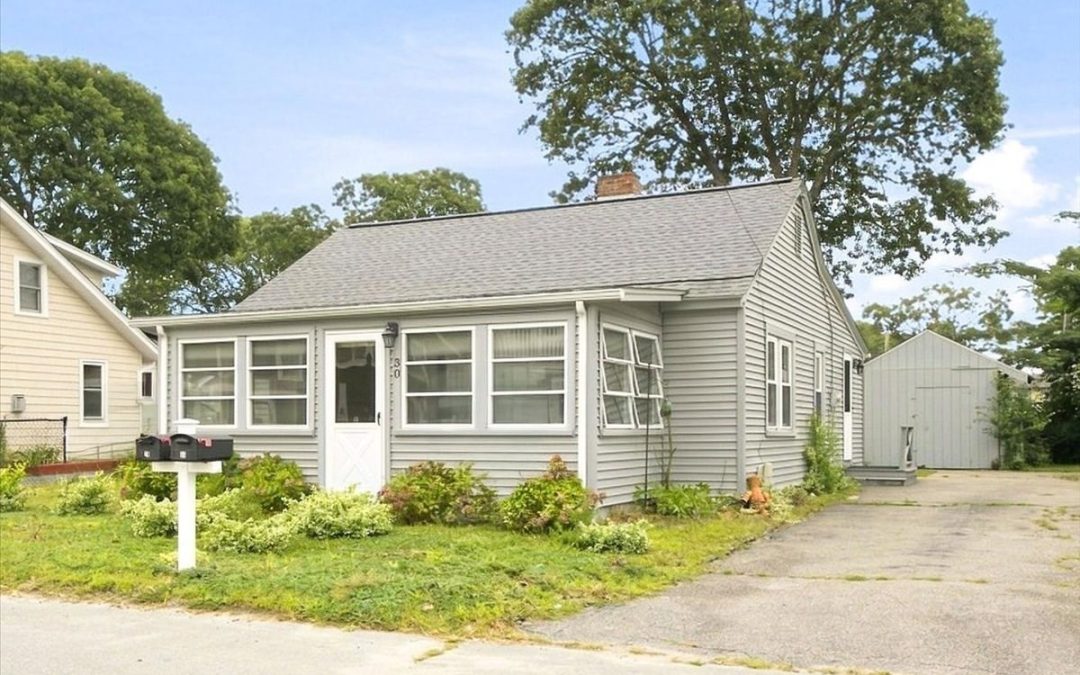
Charming Coastal Retreat! Adorable, updated, and brimming with coastal charm! This delightful 3-bedroom home is ideally located just steps from Nanumett Beach, offering the perfect opportunity to embrace the quintessential beachside lifestyle. From the moment you arrive, you’ll love the warmth and character this inviting home has to offer. Hardwood floors throughout add timeless appeal, while the updated granite eat-in kitchen provides a stylish and welcoming space for everyday meals and entertaining. The spacious living room offers plenty of room to relax and gather, with a comfortable flow that makes this home feel both charming and functional. A true highlight is the quaint three-season porch, the perfect place to enjoy your morning coffee, unwind after a day at the beach, or take in gorgeous sunsets from the comfort of home. Outside, the charming backyard provides a peaceful retreat, complete with a storage shed for beach gear, gardening supplies, and more. With lots of updates, classic character, and an enviable location just moments from the water, this home is ready to welcome its next owners. Whether you’re looking for a year-round home, weekend getaway, or beachside escape, this is one you won’t want to miss!
